AJSDO · Afghanistan
About AJSDO
An Afghan, women-led nonprofit with a mission to connect underserved communities to opportunity, dignity and essential services.
Registered with Afghanistan’s Ministry of Economy · No. 5575 (2022)
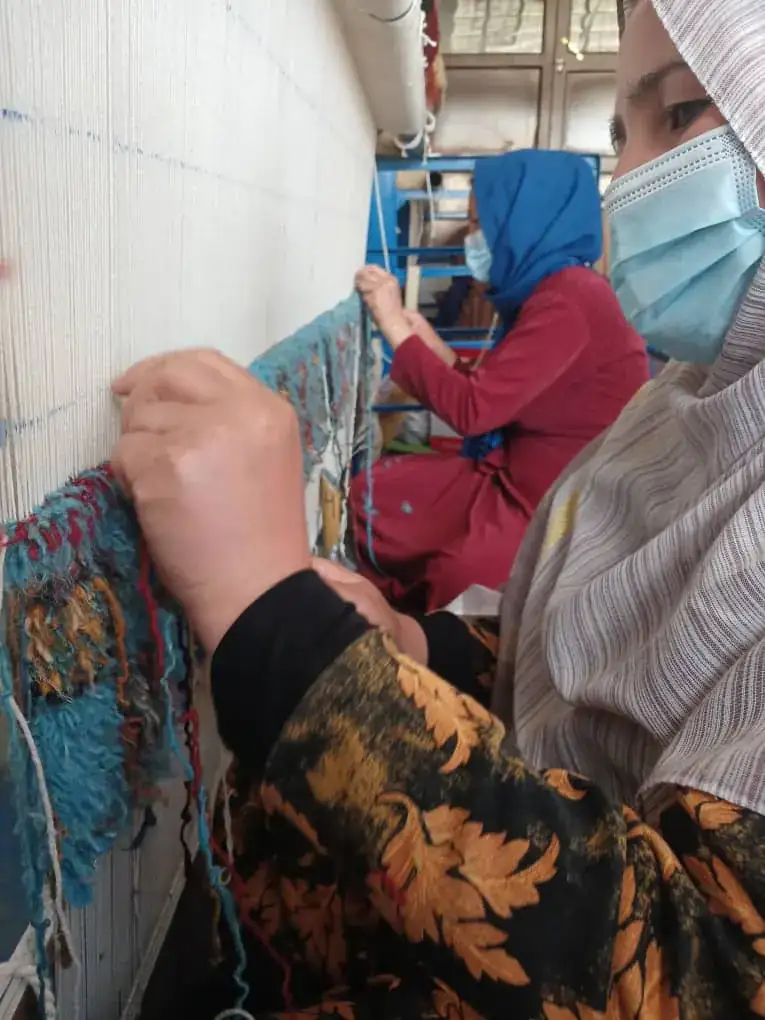 Photo: AJSDO project archive
Who we are
Established in 2022 and registered with the Ministry of Economy (No. 5575), AJSDO works with communities in Bamyan and other central Afghan provinces. We design programs around locally identified needs and collaborate with partners to extend their reach.
Our vision
A world where marginalized individuals and communities have equitable access to education, essential services and economic opportunity.
Our mission
To empower marginalized communities through inclusive education, health, social services and economic participation, with particular focus on women.
Our values
Equity, social justice, accountability, sustainability and collaboration guide our decisions. We aim to use relevant technology and innovation responsibly.
Governance and leadership
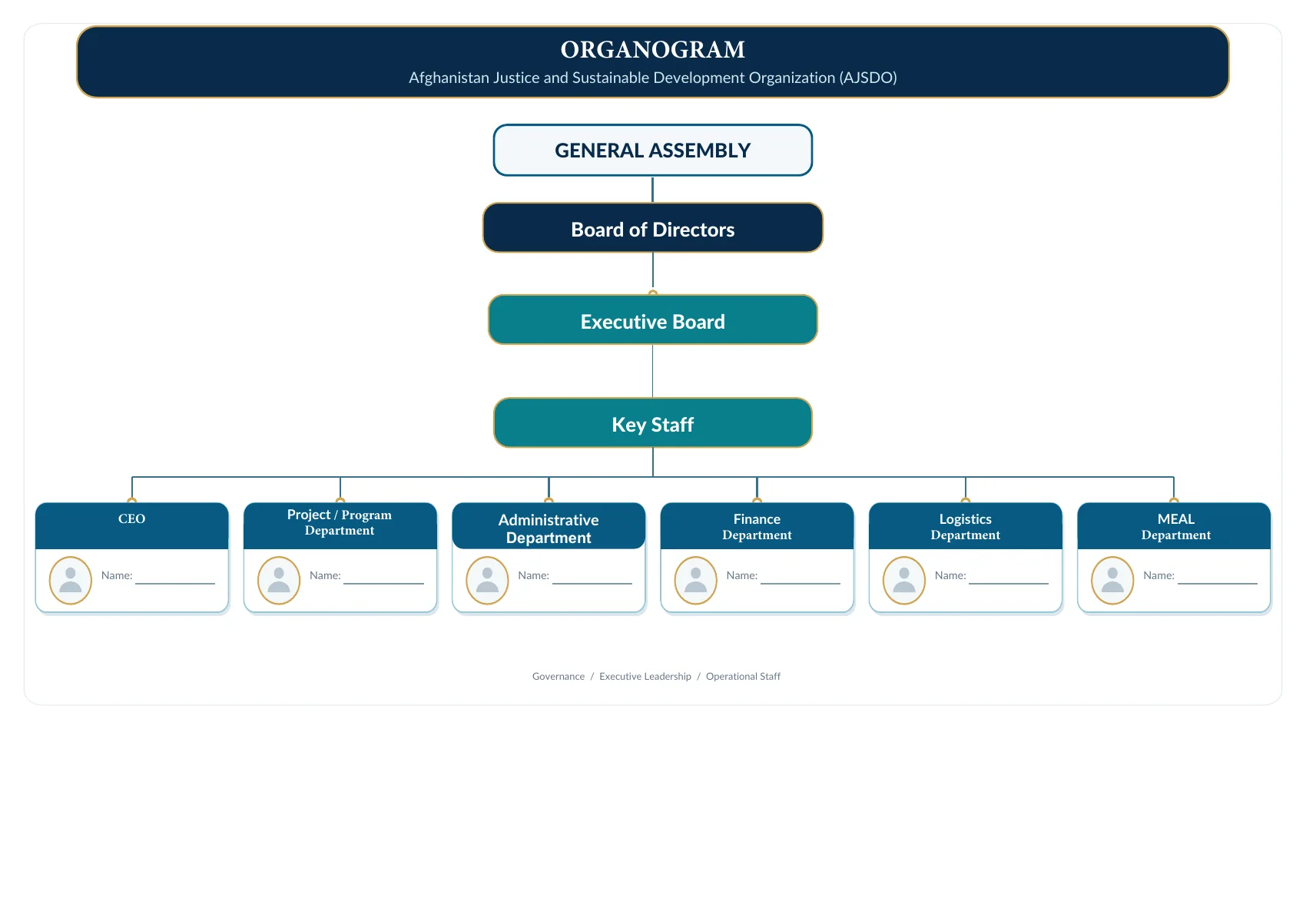
AJSDO’s organizational structure follows the General Assembly, Board of Directors, Executive Board, and Key Staff. Key Staff functions include the CEO, Project/Program, Administrative, Finance, Logistics and MEAL departments. This chart describes positions and reporting lines; it does not identify current officeholders.
Where we work
AJSDO is based in Bamyan. Organizational reporting documents work in Bamyan, Daikundi and Ghor, with targeted interventions in Sar-e-Pul.
How we work
Community participation, accessible learning, respectful communication, monitoring and learning, and safeguarding are integral to our approach.
Organizational structure
The organization chart illustrates AJSDO’s governance and management reporting lines.